
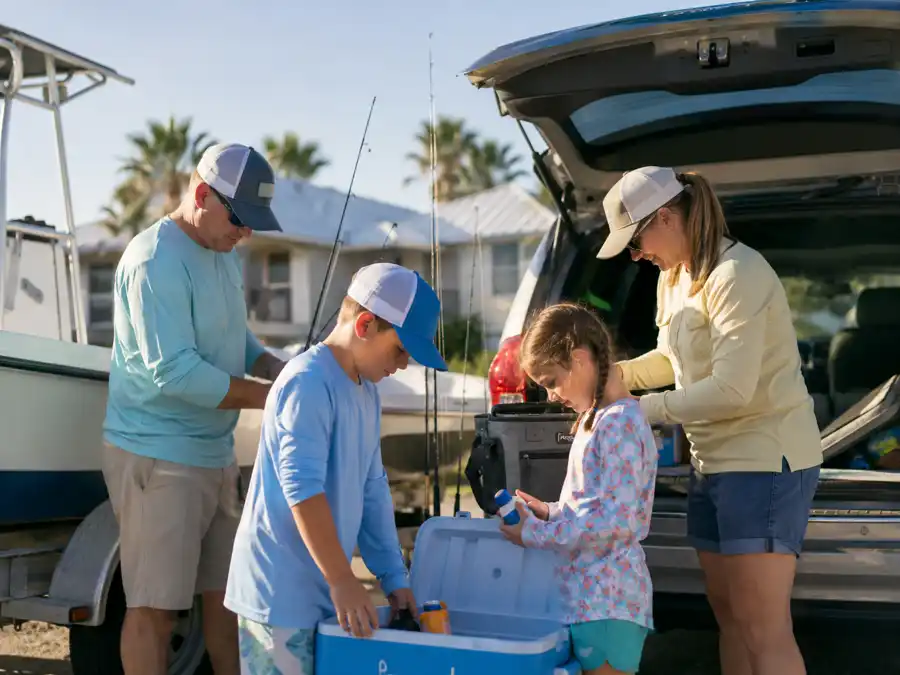
A family fishing day on the Florida Gulf Coast can be one of the best ways to slow down, get outside, and make memories together. The warm water, sandy beaches, bays, piers, passes, and inshore areas give families plenty of options, whether you are planning a relaxed beach fishing morning or a boat trip with the kids.
But family fishing is different from fishing with a couple of experienced anglers.
When kids, grandparents, first-time anglers, snacks, sunscreen, bait, weather, bathroom breaks, and tired attention spans are involved, the goal is not just catching fish. The goal is making the whole day feel smooth, safe, and enjoyable enough that everyone wants to go again.
A little preparation can make the difference between a fun Gulf Coast memory and a frustrating trip that ends early. You do not need to overcomplicate it, but you do need to think through the basics before you leave the house.
This guide walks through the main planning areas to consider before a family fishing day on the Florida Gulf Coast.
Start by Choosing the Right Type of Fishing Day
Before you think about tackle, bait, or coolers, decide what kind of family fishing day you are actually planning.
A family with young children may do better with a short pier or beach fishing trip than a full day offshore. A family with older kids may enjoy a half-day inshore boat trip. If you have mixed ages, you may want a location where some people can fish while others can sit, walk, snack, or take a break.
Common family-friendly Gulf Coast options include:
- Fishing from a public pier
- Fishing from the beach or shoreline
- Fishing around a bay, pass, bridge, or inlet
- Taking a short inshore boat trip
- Planning a calm morning trip before the afternoon heat builds
- Choosing a spot with parking, bathrooms, shade, or nearby food
The best family fishing day is not always the most adventurous one. It is usually the one that matches the group’s comfort level.
If this is your child’s first fishing trip, keep the plan simple. A two-hour trip where they catch a pinfish, watch bait swim in a bucket, and eat snacks by the water can be more successful than a long, complicated trip with too much waiting.
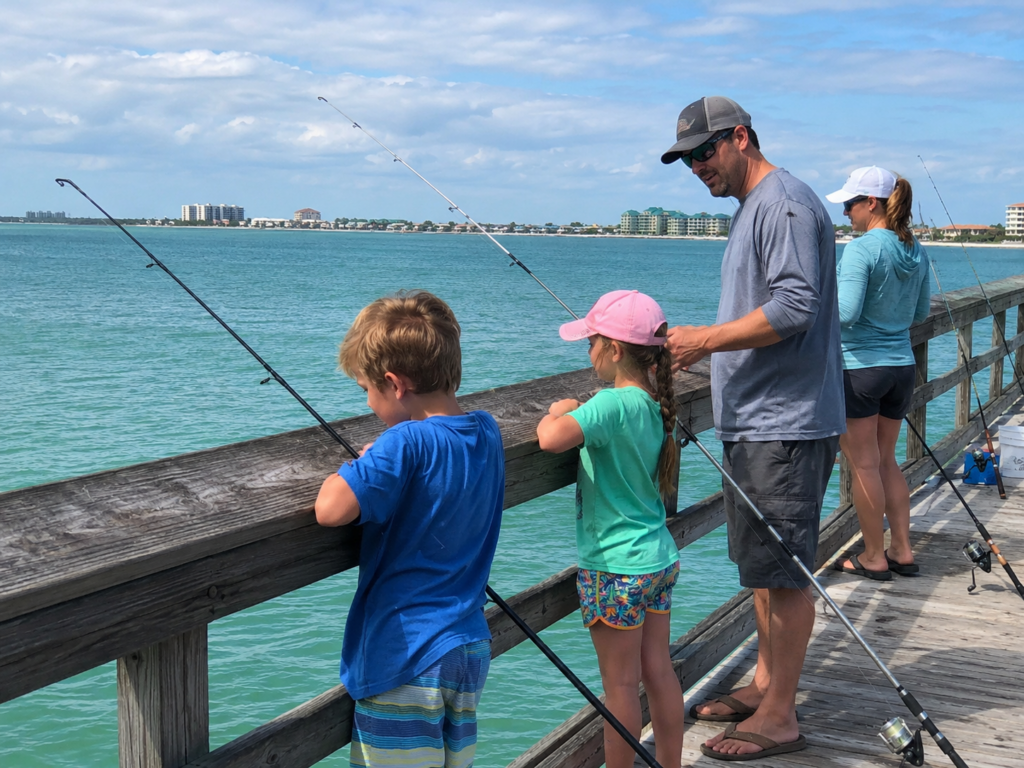
Keep the Schedule Realistic
Fishing with family requires a different timeline than fishing alone.
You may be able to wake up at 4:30 a.m., load the boat, fish hard for six hours, and clean gear when you get home. Your family may not be excited about that version of the plan.
For a family fishing day, build in extra time for:
- Getting everyone dressed and ready
- Applying sunscreen
- Loading food, drinks, and personal items
- Picking up bait or ice
- Bathroom stops
- Walking from the car to the fishing spot
- Setting up rods safely
- Taking breaks
- Cleaning up at the end
It is usually better to plan a shorter trip and leave while everyone is still having fun than to stretch the day until everyone is hot, tired, and frustrated.
Morning trips are often a good choice on the Florida Gulf Coast because temperatures are usually more comfortable earlier in the day. Late afternoon can also work, but summer storms, heat, and tired kids can make the timing trickier.
Check Weather, Wind, Tides, and Water Conditions
A family fishing day should always start with a weather check.
On the Gulf Coast, conditions can change quickly. A beautiful morning can turn windy, stormy, or uncomfortable later in the day. Before heading out, check the forecast for rain, thunderstorms, wind speed, heat index, and marine conditions if boating.
If you are fishing from the beach, also check surf conditions and local beach safety flags when available. Calm-looking water can still have hidden risks, including currents, drop-offs, and changing surf.
For boating families, wind and waves matter just as much as rain. A day that might be manageable for experienced adults may not be comfortable for kids or guests who are new to boating.
Tides can also affect your fishing plan. Moving water often helps fishing, but very low or very high water can change where fish hold, how easy it is to reach a spot, or whether certain areas are safe to access.
You do not need to become a tide expert before a casual family trip, but you should have a basic idea of what the water is expected to do while you are there.
Make Safety the First Part of the Plan
Family fishing should feel relaxed, but safety needs to come first.
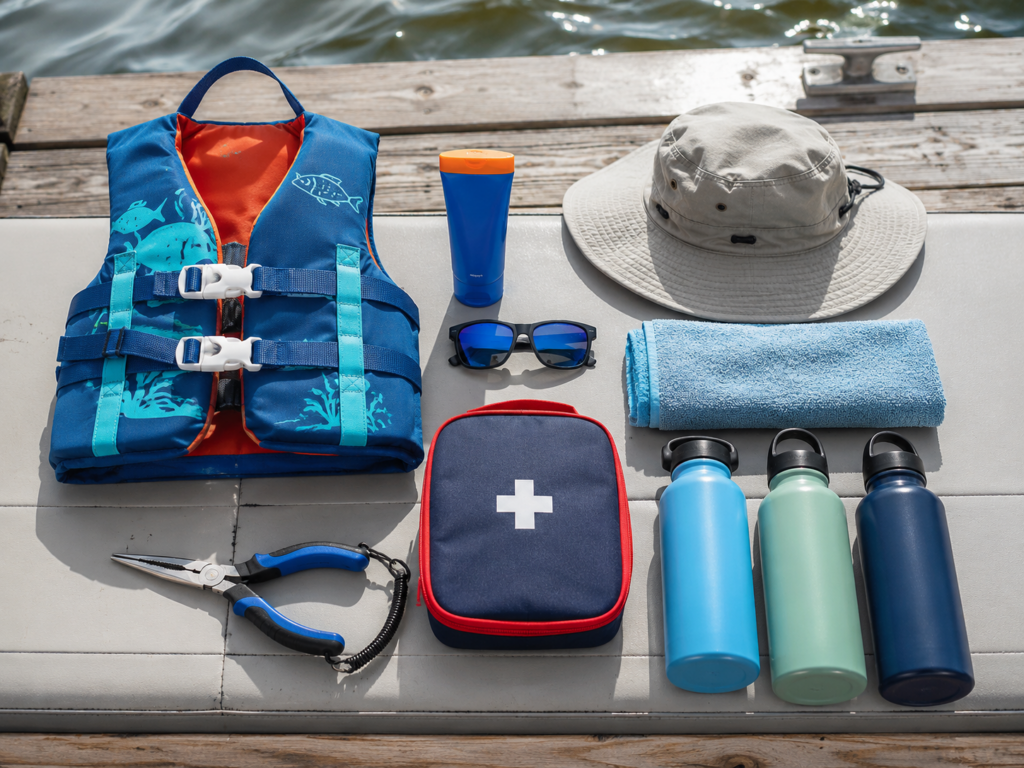
If you are fishing from a boat, make sure each person has a properly sized life jacket available, and consider having children wear theirs the entire time. Do not assume that one-size-fits-all safety gear is good enough for kids. Fit matters.
If you are fishing from a pier, dock, seawall, or bridge, set clear rules before anyone starts casting. Children should know where they can stand, where they should not run, and what to do when someone is casting.
If you are fishing from the beach, keep a close eye on children near the water. Even if the plan is fishing rather than swimming, kids often drift toward the surf, bait buckets, shells, or sandbars. Choose a spot where adults can easily watch both the rods and the water.
A few simple rules can prevent a lot of stress:
- No running near rods, hooks, bait knives, or dock edges
- No casting until an adult checks the area behind and beside the angler
- Shoes stay on when walking around rocks, docks, shells, or piers
- Kids ask before touching fish, hooks, bait, or knives
- Everyone knows where the first aid kit is
You do not have to scare kids to teach safety. Keep it calm, clear, and practical.
Keep the Fishing Gear Simple
A family fishing trip is not the time to bring every rod, lure, rig, and tackle tray you own.
Too much gear creates clutter, confusion, and more chances for hooks to end up where they should not be. For a family day, simple is usually better.
Think in terms of easy-to-manage setups. A few rods, basic rigs, a small tackle box, pliers, leader, hooks, sinkers, bait, and a safe place to store sharp items may be enough for many casual trips.
For kids, choose tackle that matches their ability. A setup that is too heavy, too long, or too complicated will make fishing frustrating. Shorter rods, simple rigs, and easy casting situations are often better for beginners.
The goal is not to impress anyone with gear. The goal is to help everyone fish confidently and safely.

Bring More Comfort Items Than You Think You Need
Comfort can make or break a family fishing day.
Adults often focus on rods, bait, and tackle, but families also need shade, hydration, snacks, sun protection, and somewhere to sit. A child who is hungry, hot, itchy, or bored will not care how good the tide is.
Consider the basics:
- Water and extra drinks
- Easy snacks
- Sunscreen
- Hats and sunglasses
- Towels
- Bug spray when needed
- A change of clothes for kids
- Lightweight rain jackets if the forecast is uncertain
- A small trash bag
- Hand wipes or a small towel
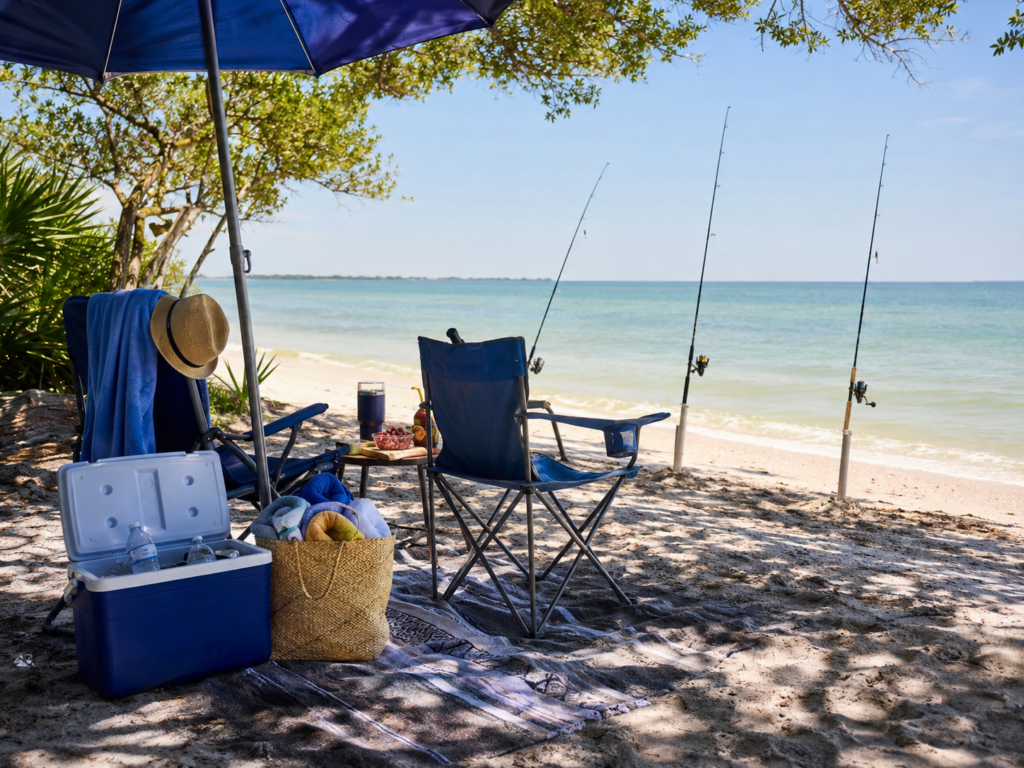
- A chair, blanket, or shade option if fishing from shore
For beach or pier fishing, simple comfort items can turn downtime into part of the fun. Kids may spend part of the trip fishing and part of the trip looking for shells, watching birds, eating snacks, or helping with bait.
That is okay. Family fishing does not have to look like serious fishing every minute.
Plan for Food, Drinks, and Breaks
A family fishing day should include planned breaks, not just breaks that happen after someone melts down.
If you are fishing from shore, choose a place where it is easy to step away from the rods and sit for a few minutes. If you are boating, think through where snacks, drinks, and personal items will be stored so people are not digging through gear while the boat is moving.
Bring food that is easy to eat with minimal mess. Fishing already involves bait, fish slime, sunscreen, saltwater, and sand. Complicated food can become one more thing to manage.
Also think about timing. If you leave before breakfast or stay through lunch, make sure the food plan matches the day. A cooler full of drinks but no real snacks can become a problem quickly with kids.
Give Everyone a Job
One of the best ways to keep kids engaged is to give them a role.
Not every child needs to cast constantly. Some kids may enjoy holding the bait bucket, checking the cooler, handing over pliers, choosing snacks, watching the tide line, or helping take photos.
Possible family fishing jobs include:
- Bait helper
- Fish spotter
- Snack captain
- Net helper
- Photo helper
- Shell collector
- Rod watcher
- Trash checker
Giving kids a job helps them feel included, even when the fish are not biting. It also turns the trip into a shared family activity instead of something adults are doing while kids wait around.
Set Expectations Before You Go
Before the trip, explain what the day might look like.
Let kids know that fishing includes waiting. Sometimes you catch fish quickly. Sometimes you do not. Sometimes the weather changes. Sometimes you have to move spots. Sometimes the smallest fish creates the biggest excitement.
Avoid making promises like, “We are going to catch a big fish today.” Instead, say something like, “We are going to spend the morning by the water, try to catch something, and have a fun day outside.”
That kind of expectation makes the day feel successful even if the fishing is slow.
For adults, expectations matter too. If you usually fish hard and focus on results, remind yourself that this trip has a different purpose. The measure of success may be a child learning to cast, a family photo on the pier, or everyone asking when you can go again.
Think Through Bathrooms, Parking, and Access
These details may not sound exciting, but they matter.
Before choosing a fishing spot, ask practical questions:
- Is there parking nearby?
- Are bathrooms available?
- Is the walk manageable for kids or older family members?
- Is there shade?
- Is the area safe for children?
- Can people take a break without leaving completely?
- Is there room to cast without crowding others?
- Are there posted rules for the area?
A beautiful fishing spot may not be the best family spot if it requires a long walk with gear, has no bathrooms, and offers no shade in the middle of summer.
When planning for family, convenience is not laziness. It is strategy.
Prepare for Fish Handling Before the First Catch
Many family trips become chaotic after the first fish is caught because no one thought about what would happen next.
Before fishing starts, decide who will handle fish, who will remove hooks, and whether you are keeping or releasing anything. If kids want to touch a fish, show them how to do it safely and gently.
Have pliers ready. Know where the measuring tool is if you need one. Keep hands away from sharp fins, teeth, hooks, and gill plates. If a fish is going back in the water, handle it quickly and carefully.
This is also a good time to teach respect for the fish and the water. Kids learn a lot by watching how adults behave.
Do a Regulation Check Before the Trip
Fishing rules can change by species, season, size, bag limit, location, and gear type. Before your trip, check current Florida saltwater fishing rules for the area you plan to fish.
This is especially important if you might keep fish.
A casual family fishing day can still involve regulated species, and it is better to check before you go than to guess at the water. If you are unsure what you caught, take a clear photo, compare it with trusted resources, and release it safely if you are not confident.
For families, this can become part of the learning experience. Kids can learn that responsible fishing is not just about catching fish. It is also about knowing the rules, protecting the resource, and respecting the coast.
Keep the Cleanup Easy
By the end of a family fishing day, everyone may be tired. That is why cleanup should be part of the plan before you ever leave home.
Bring a bag for trash, a place for used towels, and a way to separate wet or sandy items from clean ones. If you are boating, think about how rods, tackle, bait containers, and safety gear will be handled after the trip.
When you get home, a quick reset can save frustration later. Rinse rods and reels as needed, throw away trash, restock anything obvious, and make notes about what you wish you had brought.
Those small after-trip habits make the next fishing day easier.
Make the Day About the Memory, Not Just the Catch
Some of the best family fishing days are not the ones with the biggest fish.
They are the days when a child catches their first pinfish, a grandparent teaches a knot, dolphins pass by in the distance, or everyone laughs because the bait thief won again.
The Florida Gulf Coast gives families a beautiful setting for those moments. With a little planning, you can make the day safer, smoother, and more enjoyable for everyone.
Keep the trip simple. Choose the right location. Watch the weather. Bring comfort items. Make safety clear. Let kids participate in small ways. And remember that the goal is not perfection.
The goal is a family day on the water that people want to repeat.
Before You Go
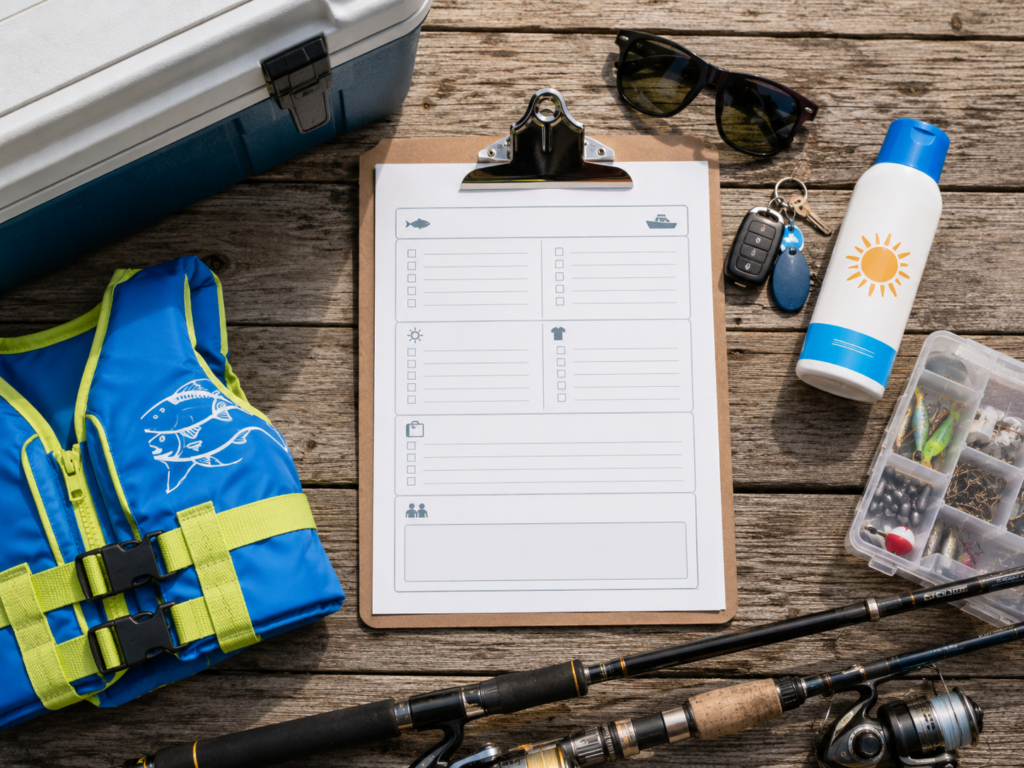
If you are planning a family fishing day, take time to organize your boat, gear, safety items, food, and trip details before you leave. A simple plan can prevent a lot of stress once you are at the ramp, pier, beach, or dock.
For anglers who want a more organized way to prepare, Blue Water Tackle Guide offers practical fishing preparation guides designed for Gulf Coast anglers who want to feel ready before the trip begins.